Claims complaints give insurers one of the clearest views into how the claims experience is working for policyholders. They show where expectations are being met, where communication needs to improve, and where operational friction is turning a routine claim into a stressful experience.
In 2026, that feedback is especially important. Policyholders are navigating higher premiums, rising repair costs, and more complex service expectations. At the same time, insurers and MGAs are under pressure to control expenses, support adjusters, and maintain customer confidence during the moment that matters most: the claim.
The strongest signal from recent complaint trends is simple. Customers are not only reacting to claim outcomes. They are reacting to uncertainty. A delayed claim, a denied claim, or a vague status update can all become complaint triggers when the policyholder does not understand what is happening or what comes next.
Recent industry reporting supports that pattern. Celent noted that claims handling continues to represent the majority of consumer complaints, with NAIC data showing claim handling delays, unsatisfactory settlements, and denials among the leading complaint categories. Insurify also reported that U.S. insurance complaints rose in 2025, including higher complaint activity in auto and home insurance.
1. Claims delays are becoming communication issues
A claim delay is not always a sign of poor service. Weather events, contractor availability, parts shortages, fraud review, coverage questions, and missing documents can all affect timelines. The difference is how clearly the delay is explained.
Policyholders are more likely to stay patient when they know what is pending, who owns the next step, and when they should expect another update. They are less patient when they have to call repeatedly, repeat information, or wait without context.
This is where many claims complaints begin. The issue is often not only the timeline. It is the lack of visibility around the timeline. For insurers, that creates more than dissatisfaction. It increases call volume, adjuster interruptions, escalation risk, and cost-to-serve.
2. Denials need clear reasoning, not generic explanations
Denied claims will always be part of insurance. Some losses are not covered. Some claims do not include the documentation required for review. Some situations fall outside policy terms.
The complaint risk increases when the explanation feels generic or difficult to understand. A denial letter may be technically correct but still leave the policyholder confused about why the decision was made.
A stronger denial communication should explain which policy language applies, what information was reviewed, whether anything else can be submitted, and how the customer can ask follow-up questions. The goal is not to remove every dispute. The goal is to make the decision clear enough that frustration does not grow because of poor communication.
3. Claim updates need to answer the customer’s next question
Many insurers now offer claim portals, mobile apps, email updates, SMS alerts, and support lines. Those tools help only when the information is current, consistent, and specific enough to reduce uncertainty.
J.D. Power’s 2025 U.S. Claims Digital Experience Study found that customer satisfaction is highest when customers can manage claims through digital apps and websites. The same study found that adequate digital updates are delivered only 22% of the time, and many customers still rely on multiple channels to answer the same claim question.
That creates a practical problem. To the customer, the app, portal, email, chatbot, and call center are all part of one insurer. If those channels show different information or leave gaps, the customer loses confidence in the entire experience.
A useful claim update should answer four questions: What changed? What is pending? Who is responsible for the next step? When should the customer expect movement? If the update does not answer those questions, it may reduce digital adoption instead of improving it.
4. Complaint data should guide claims improvement
Many insurers review complaints for compliance and reporting. That is necessary, but it is not enough. Complaint data can also help claims leaders identify where the experience needs operational attention.
If complaints concentrate around delays, the insurer may need better status visibility and proactive notifications. If complaints concentrate around denials, the issue may be explanation quality, documentation workflows, or coverage education. If complaints concentrate around repeated calls, the issue may be weak self-service, disconnected systems, or unclear next steps.
Useful metrics to compare with complaint trends include FNOL completion quality, missing document rates, status-check call volume, digital update engagement, escalation rate, claim cycle time, and complaint rate after closure.
5. Reducing complaint pressure requires coordinated digital claims communication
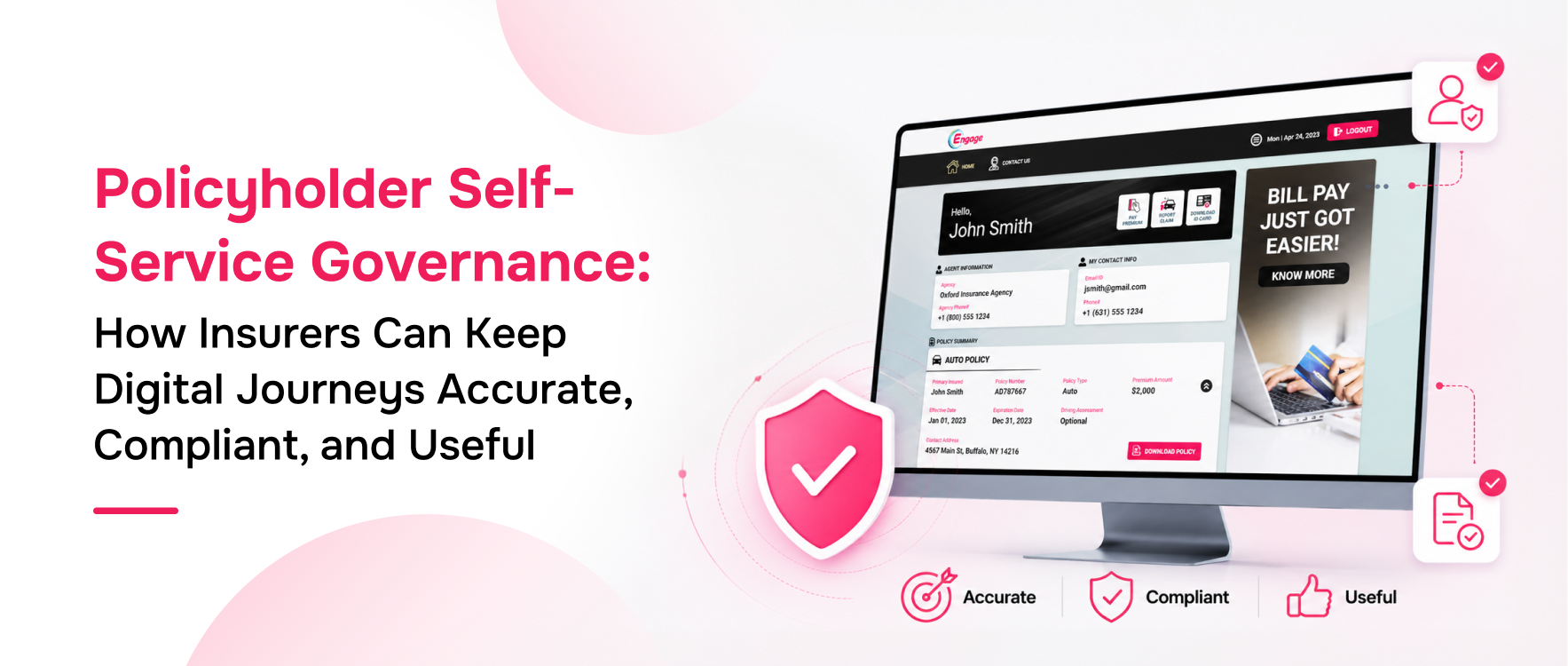
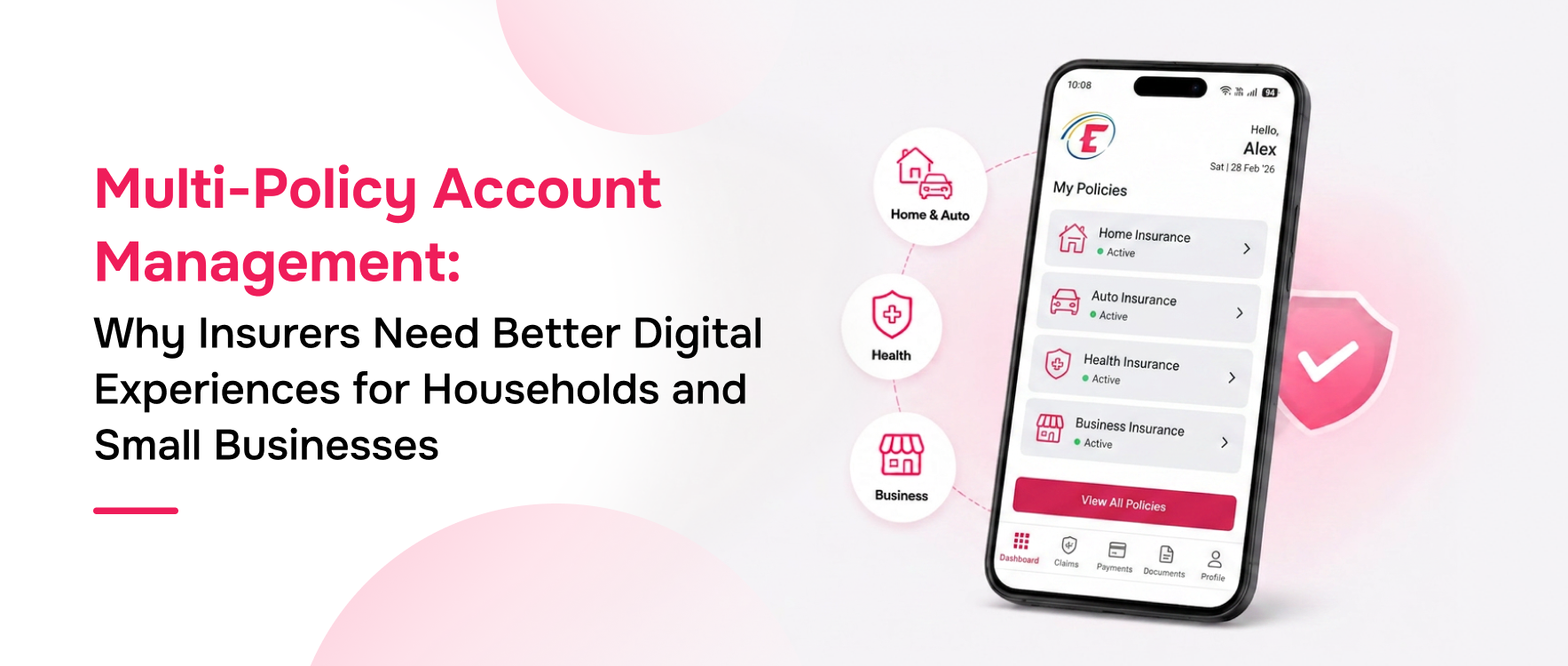
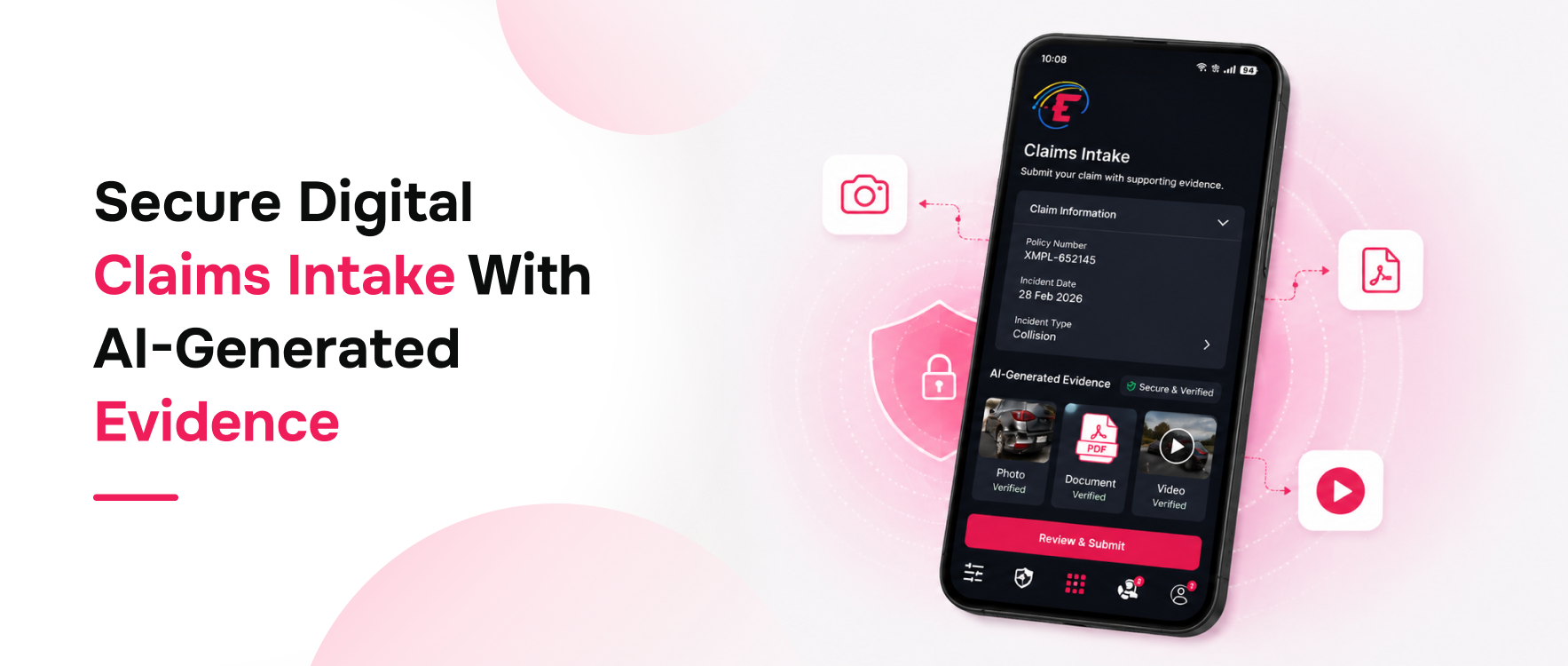
The answer is not simply adding another channel. Most insurers already have several channels. The priority is making those channels work together so policyholders can submit a claim, upload documents, track progress, receive updates, ask questions, and escalate when needed without starting over.
For insurers and MGAs, this is where a coordinated digital engagement model can make a measurable difference. XemplarEngage supports insurer-branded mobile apps, insured portals, claim initiation, document uploads, real-time claim tracking, push notifications, policy services, payments, and chatbot-based self-service.
The value is practical. Better claim visibility can reduce avoidable status calls. Clearer document workflows can reduce rework. More consistent updates can improve trust. Easier escalation paths can keep customers from feeling stuck when a claim needs human support.
Final Takeaway
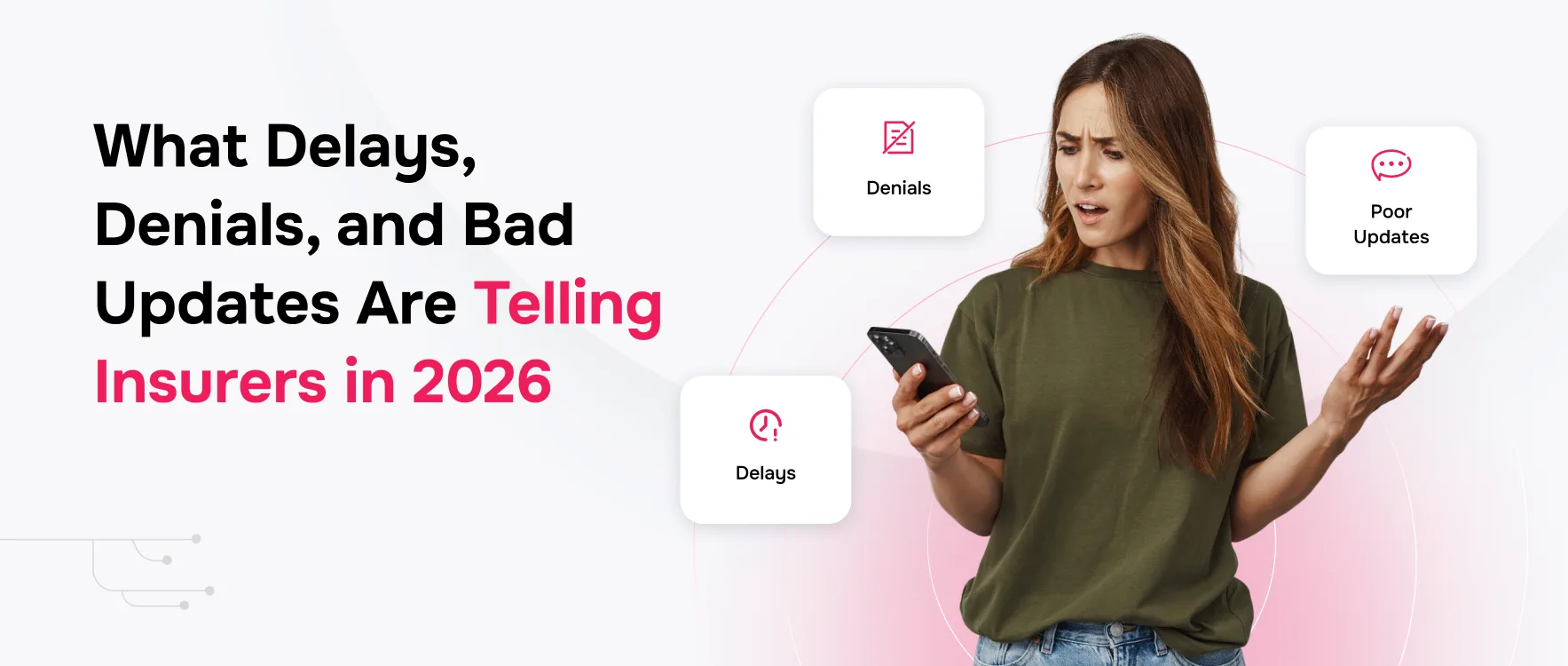
Claims complaints are a useful source of direction for insurers in 2026. Delays point to visibility gaps. Denials point to explanation gaps. Poor updates point to coordination gaps across channels.
Insurers that read complaint trends this way can improve the claims experience without relying on broad promises or cosmetic digital changes. The opportunity is more specific: give policyholders clearer answers, better visibility, and more confidence throughout the claim.
FAQs
- What are the top claims complaint trends in 2026?
The most important trends include claim handling delays, disputed or unclear denials, unsatisfactory settlements, poor status updates, repeated channel switching, and frustration caused by incomplete claim visibility. - Why do claims delays lead to complaints?
Delays often become complaints when policyholders do not know what is happening, what is pending, or when they will receive the next update. Clear communication can reduce frustration even when the timeline itself cannot be shortened. - How can insurers reduce complaints about claim denials?
Insurers can reduce denial-related complaints by explaining the decision in plain language, showing which policy terms apply, identifying what information was reviewed, and giving customers a clear path for questions or reconsideration. - Why are claim status updates important?
Claim status updates reduce uncertainty. When updates are missing, vague, or inconsistent across channels, customers are more likely to call, repeat information, escalate concerns, or file a complaint. - How can XemplarEngage help insurers reduce claims complaints?
XemplarEngage helps insurers reduce avoidable claims complaints by giving policyholders clearer digital access to claim submission, document uploads, real-time claim tracking, alerts, and self-service support through insurer-branded mobile and portal experiences. When customers can see what is happening and complete required steps without repeated calls, complaint pressure is easier to manage.