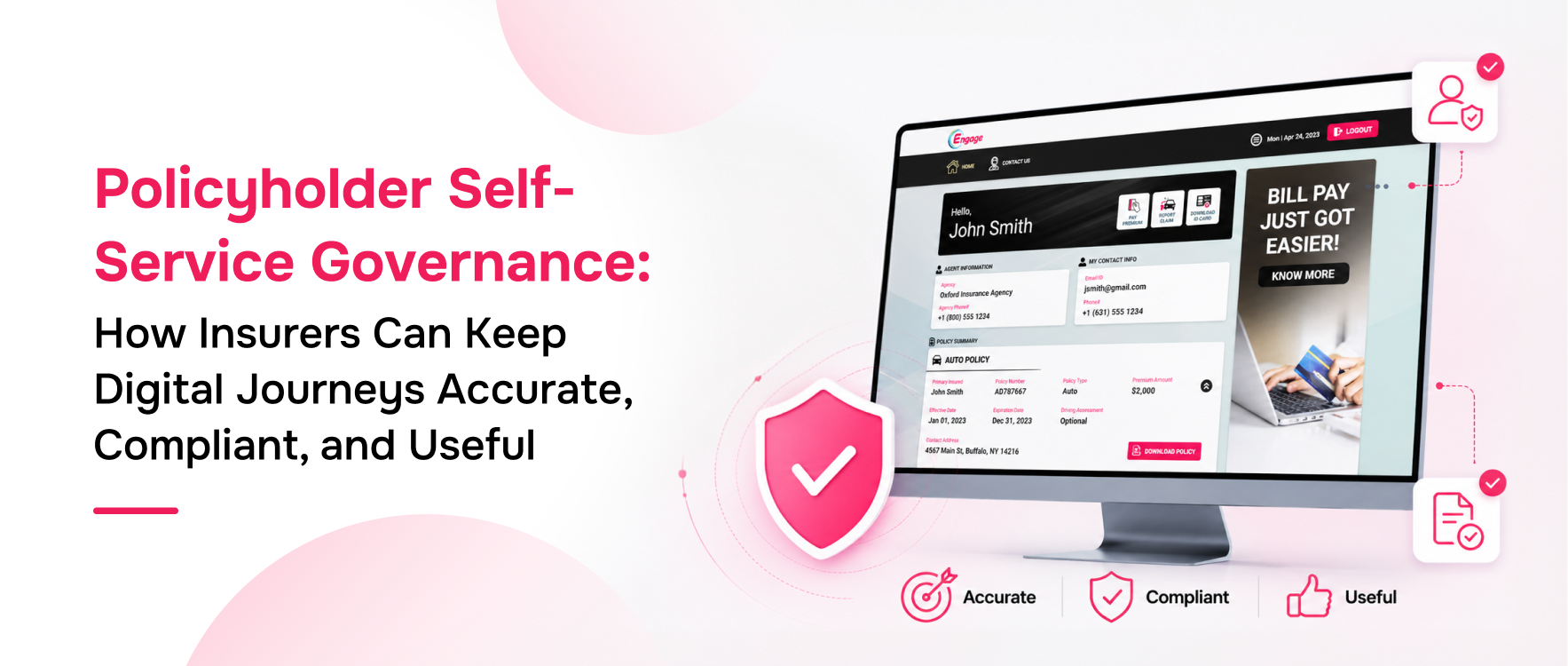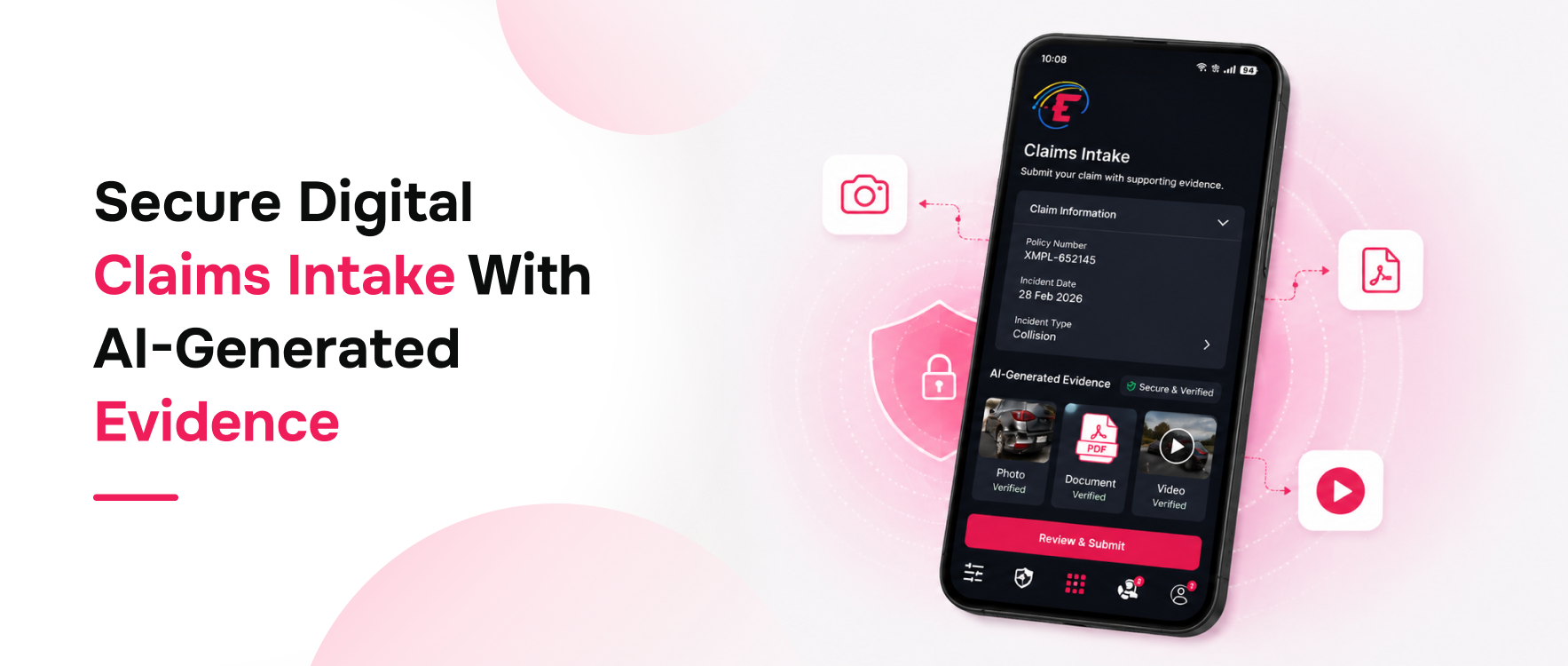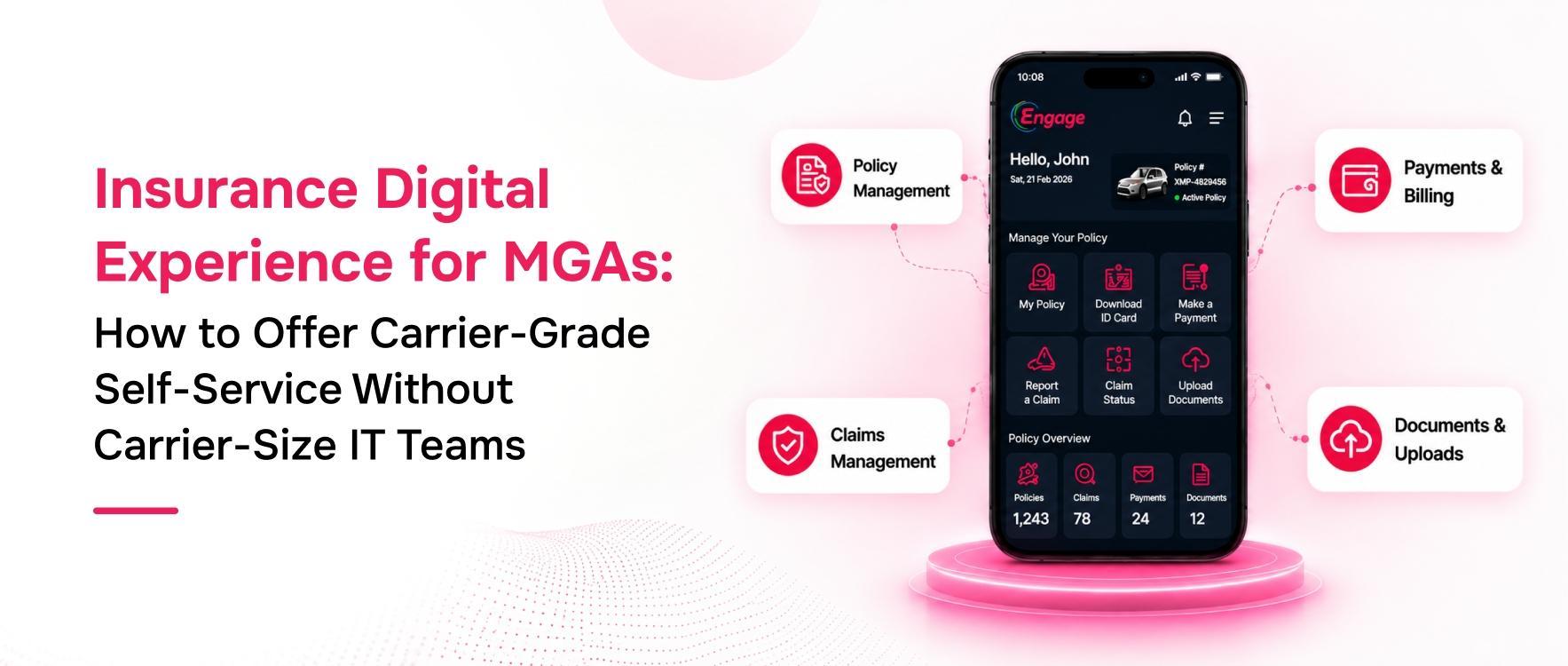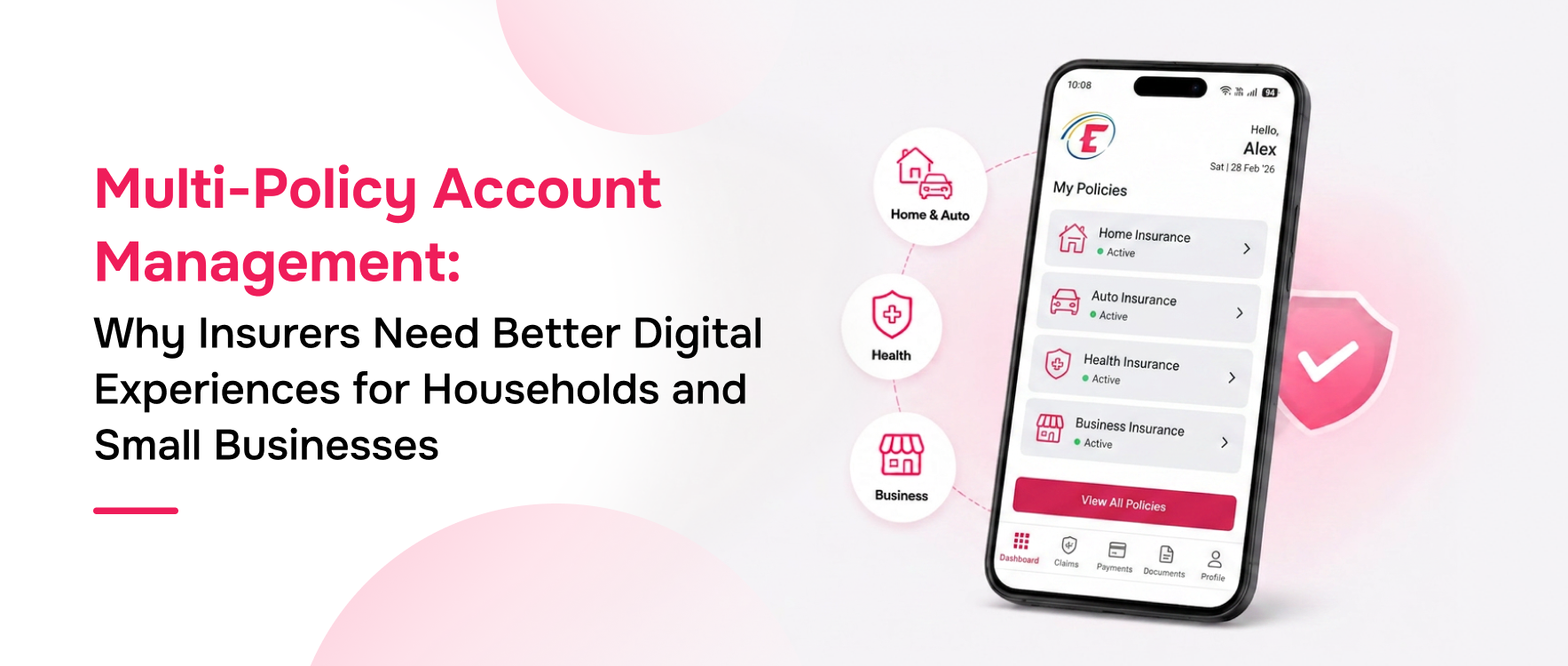
Many policyholders manage insurance as an account relationship, not a single policy. Households and small businesses need digital experiences that reflect that reality.
Many insurance customers do not think one policy at a time
Insurance digital experiences are often organized around a single policy or claim. Real customers may not be. A household might manage auto, home, renters, umbrella, and specialty coverage. A small business might manage vehicles, properties, liability policies, certificates, billing contacts, and multiple users. When digital service is built around isolated policy records, account-level service becomes harder than it should be.
Multi-policy account management is the digital experience layer that helps customers understand and act across relationships. It does not replace policy administration systems. It helps policyholders, agents, and service teams interact with policies in the way customers actually manage their lives or businesses.
Why single-policy portals create friction
A single-policy portal may work for a customer with one simple policy. It becomes frustrating when a user has to switch between policy numbers, logins, documents, billing views, or contact paths. The customer may not know which policy contains a specific endorsement, which vehicle is tied to which ID card, which location is covered, or which bill relates to which coverage.
For small businesses, the problem can be more operational. Different employees may need different levels of access. One person may need documents, another may manage payments, and another may handle claims. A one-size-fits-all digital account can create unnecessary calls and manual support.
What a better multi-policy experience should include
A stronger account experience should show policy relationships clearly. It should help users access documents, ID cards, billing information, claims, renewal materials, contacts, and notifications across policies. It should also support role clarity where appropriate, especially for business accounts that may need multiple users or contacts.
The experience should prioritize common questions: What policies do I have? Which documents are current? Which bill is due? Which claim belongs to which policy? Who should receive notifications? Can I find everything without calling an agent or service center?
Why this matters for insurers and MGAs
Multi-policy customers can be valuable, but they also create more complex service needs. If digital experiences do not support those needs, service teams absorb the complexity through calls, emails, and manual document requests. This creates friction for customers and operational drag for insurers and MGAs.
Better multi-policy digital journeys can also support retention. Customers who can easily see and manage their relationship with the insurer may have more confidence in the organization. They are less likely to feel that every service request requires a separate call or a separate login.
Where Xemplar Engage comes into play
Xemplar Engage can be introduced as an engagement layer that helps insurers and MGAs create more connected account-level experiences through mobile, portal, notifications, chatbot interactions, and administrative visibility. The article should frame Xemplar Engage around practical service access: documents, policy information, claims-related activity, notifications, and support workflows.
This avoids a generic portal message. The specific Xemplar Engage fit is helping insurers serve customers who need to manage more than one policy or service moment through a digital experience that feels organized and branded.
How to measure multi-policy digital experience
Useful metrics include account-level logins, completed document downloads, ID card access, billing inquiry reduction, claim status inquiries by account, repeat-contact rate, multi-policy navigation paths, and support requests by policy relationship. For small-business accounts, insurers may also track user access requests, certificate or document requests, and service routing accuracy.
The goal is to identify whether digital channels simplify account management or simply expose the complexity of the insurer’s internal systems. A good experience should help customers understand relationships across policies without requiring them to know how the insurer’s back-office systems are organized.
What account-level digital service should look like
A better account-level experience should begin with a simple account view: who is covered, which policies are active, which documents are available, which bills or notices need attention, and which claims or service requests are open. From there, the customer should be able to move into the right task without knowing internal policy system logic.
For households, this may mean grouping vehicles, properties, drivers, documents, and policy contacts in a way that feels natural. For small businesses, it may mean giving different users access to certificates, documents, vehicles, locations, claim information, or billing records based on their role. The more complex the relationship, the more important the digital account structure becomes.
Insurers should also consider notification preferences at the account level. A billing contact may need payment reminders. A risk manager may need document updates. A policyholder may need claim status alerts. Sending every message to every user creates noise and increases the chance that important updates are missed.
Implementation checklist for multi-policy account management
Insurers can start by mapping the account relationships that cause the most service work. For personal lines, that may include households with multiple vehicles, properties, or drivers. For commercial accounts, it may include multiple locations, certificates, contacts, vehicles, and document requests.
The digital experience should then group information around customer tasks rather than internal system boundaries. A customer should be able to find the right document, bill, claim, or policy contact without knowing the policy administration structure behind it.
Role and permission planning is also important. Small-business accounts may need different users to see different information. A stronger account model supports convenience while preventing unnecessary access to sensitive information.
How multi-policy experience supports cross-sell and retention without forcing a sales message
A clearer account view can also support retention and relationship depth because customers better understand what they already have, what documents are current, and where service actions are needed. The article should not turn into a sales or cross-sell pitch, but it can explain that organized account management helps customers see the insurer as easier to work with. In competitive markets, ease of service can influence whether households and small businesses keep their relationship in one place.
FAQs
- What is a multi-policy insurance account?
A multi-policy insurance account is a household or business relationship that includes more than one policy, coverage, user, document set, billing need, or claim interaction. - Why do households need multi-policy digital service?
Households may need to manage auto, home, renters, umbrella, and other policies in one place instead of navigating separate policy records. - Why is multi-policy management important for small businesses?
Small businesses often need account-level access to documents, vehicles, locations, certificates, billing, claims, and multiple users. - How does Xemplar Engage support multi-policy experience?
Xemplar Engage can help insurers and MGAs create branded mobile and portal experiences that connect policyholders to account, document, notification, and service workflows.