
Policyholder Self-Service Governance: How Insurers Can Keep Digital Journeys Accurate, Compliant, and Useful
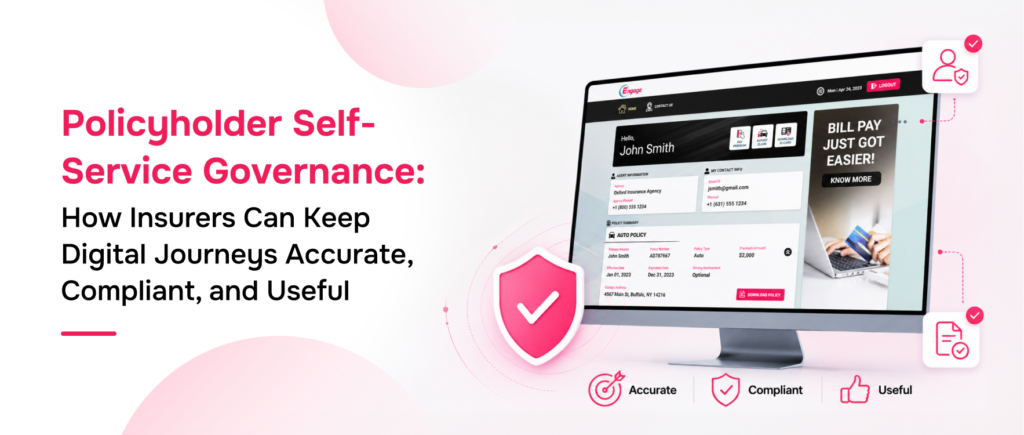
Self-service only works when the information, workflow, and escalation path stay accurate after launch.
Multi-Policy Account Management: Why Insurers Need Better Digital Experiences for Households and Small Businesses
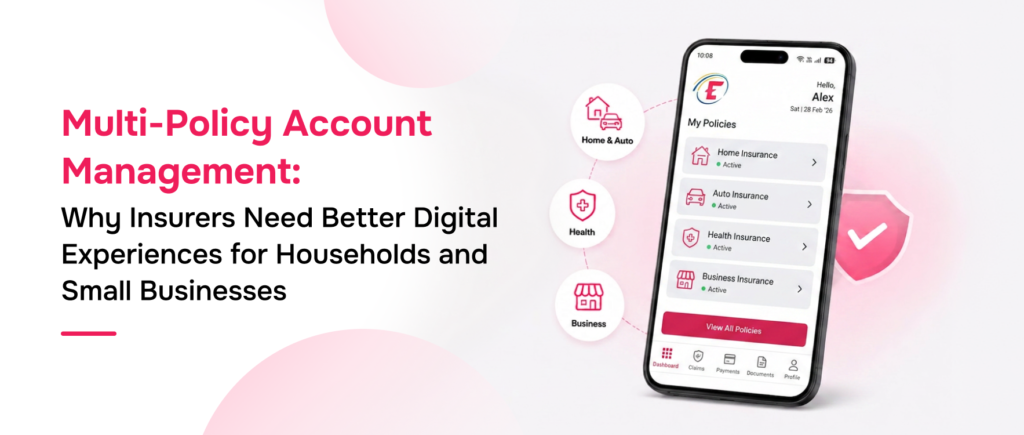
Many policyholders manage insurance as an account relationship.
Secure Digital Claims Intake With AI-Generated Evidence
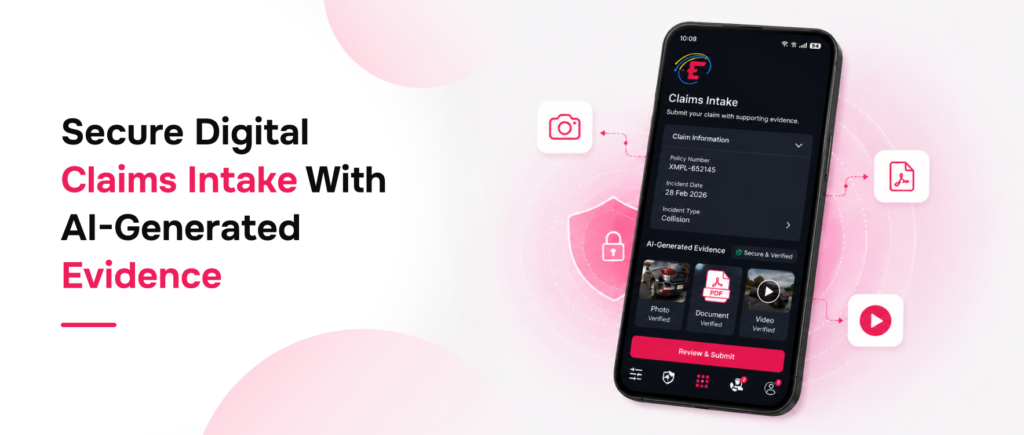
AI-generated evidence is changing how insurers think about digital claims intake.
Insurance Digital Experience for MGAs: How to Offer Carrier-Grade Self-Service Without Carrier-Size IT Teams
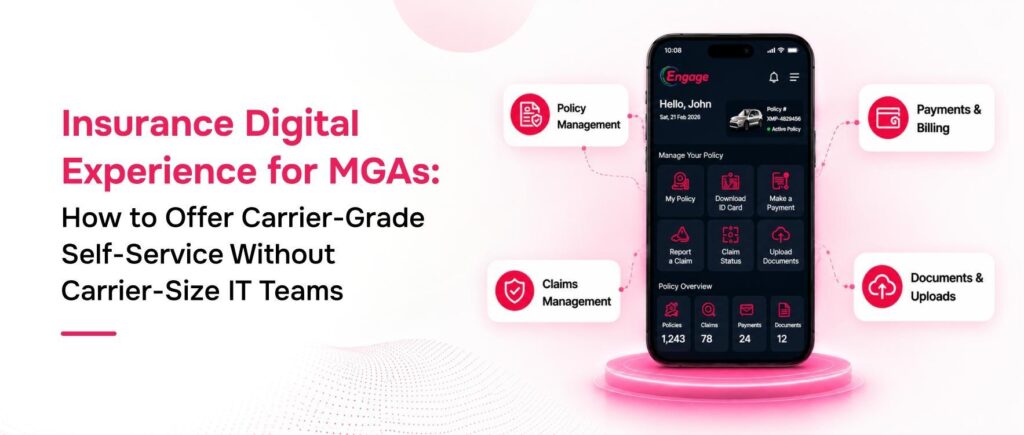
MGAs need modern digital service, but they often do not have carrier-size IT teams or fully unified back-end systems.
Hybrid Digital Service in Insurance: When Self-Service Should Hand Off to a Human
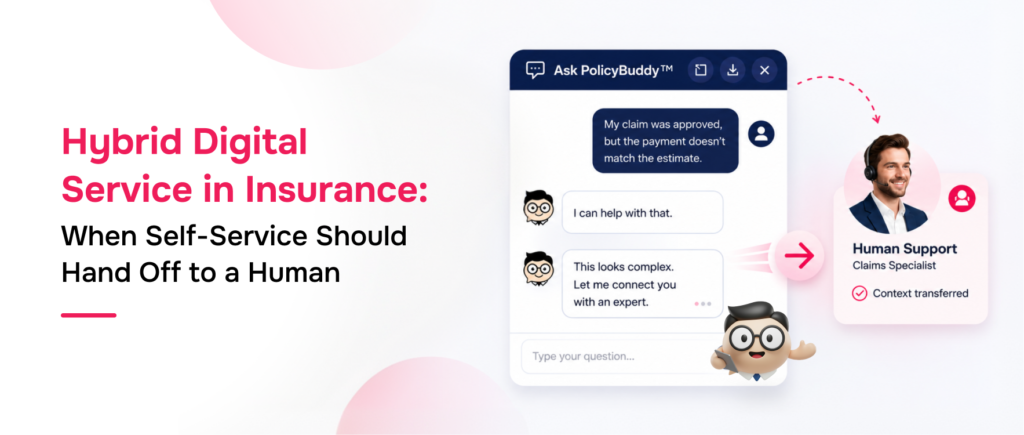
Digital self-service should make insurance easier, not make customers fight harder to reach a person.
Digital Claim Documentation: How Photo, Video, and Document Uploads Improve Claims Intake Quality
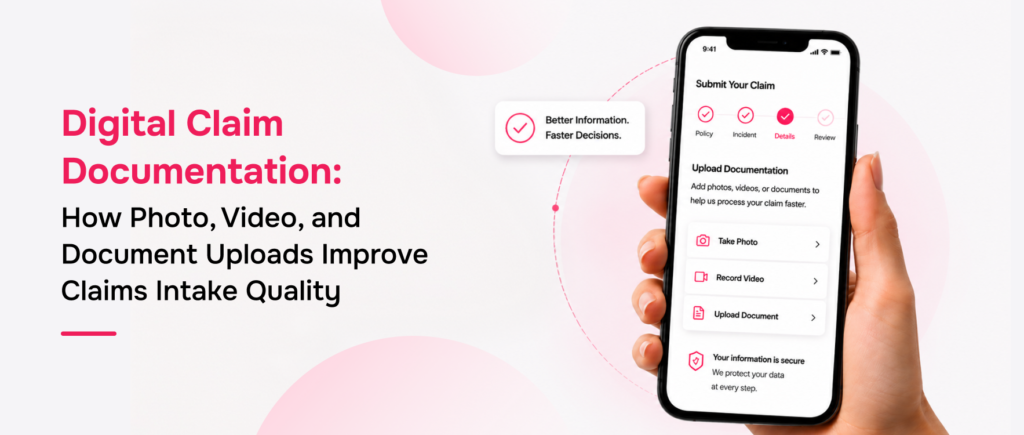
Billing, payments, policy documents, and ID cards are everyday insurance service moments.
Insurance Billing Self-Service: Why Payments, Documents, and Policy Access Are Becoming CX Priorities
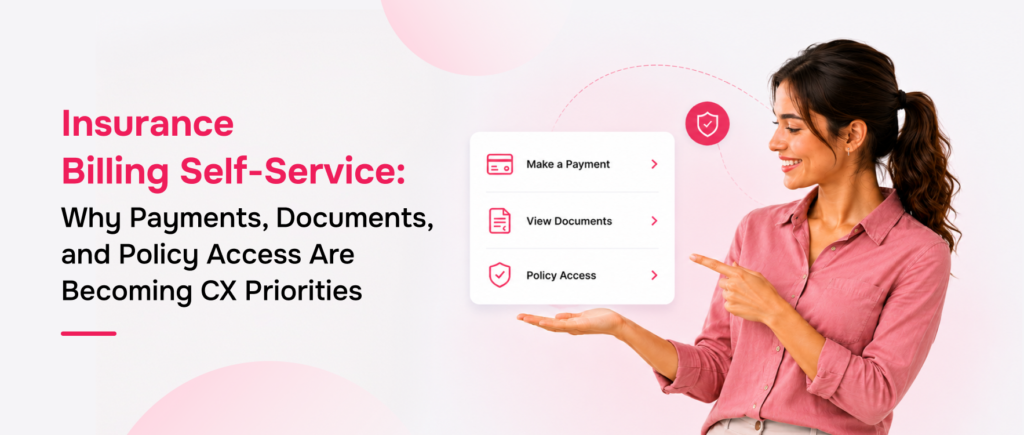
Billing, payments, policy documents, and ID cards are everyday insurance service moments.
Policyholder Digital Experience Benchmarks: What Insurers Should Measure Beyond Portal Logins
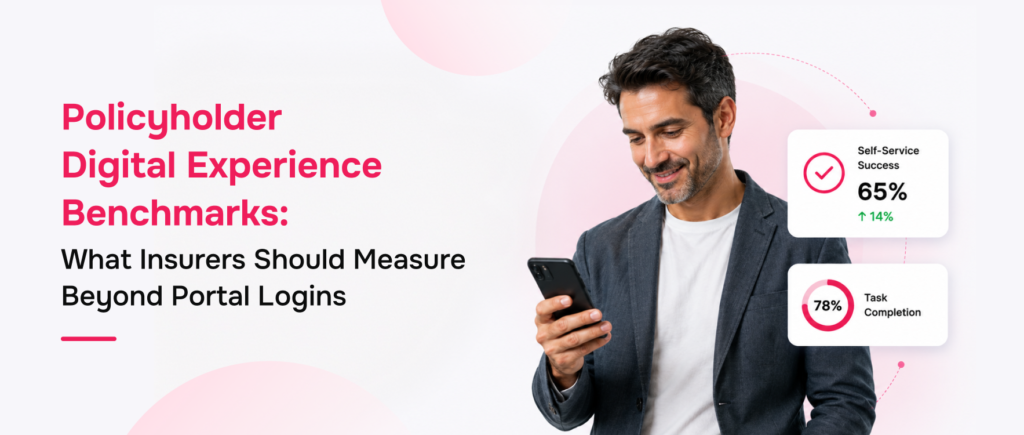
Digital access is now part of the insurance service journey.
Claims Complaint Trends in 2026: What Delays, Denials, and Bad Updates Are Telling Insurers
Claims complaints give insurers one of the clearest views into how the claims experience is working for policyholders.
Digital Claims Experience Gaps Insurers Still Have Not Closed in 2026
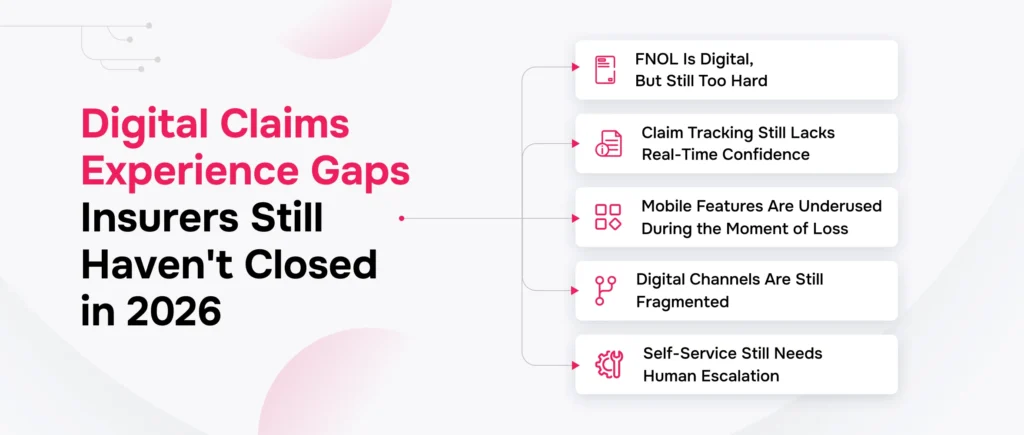
Most insurers can take a claim online. That does not mean they have fixed the claims experience.


