Over the years, customer-facing portals and workflows have been built directly on top of core logic, creating tight dependencies between experience and execution.
As those dependencies grow, even small changes become difficult. Updating a digital journey requires coordination across multiple teams. Release cycles stretch. Experience teams wait on core schedules, while core teams limit change to protect stability. Progress slows, not because teams lack intent, but because the architecture resists frequent iteration.
When modernization efforts stall under these conditions, the issue is rarely the technology itself. It is the way experience and core systems have been coupled together.
Why Modernization Efforts Stall Inside the Core
When insurers try to modernize experience by changing core systems, they run directly into structural constraints that are built into those platforms. Release schedules lengthen; testing effort increases, and tolerance risk drops almost immediately.
From an architecture standpoint, this outcome is predictable. Core platforms are systems of record, designed for accuracy, control, and auditability rather than frequent iteration. Expecting them to behave like systems of engagement introduces friction that process discipline alone cannot be removed.
As experience logic becomes more deeply embedded in the core, the cost of change rises. Teams begin to hesitate, not because ideas are lacking, but because each change requires disproportionate effort and coordination.
This is why many experience initiatives slow down or stall entirely, even when there is clear executive intent and funding.
Fixing the Edge Instead of Rebuilding the Core
At this point, the issue is no longer whether change is needed, but where it should happen. A layered architecture offers a different path. It starts with a simple decision: keep the core stable and move experience to the edge.
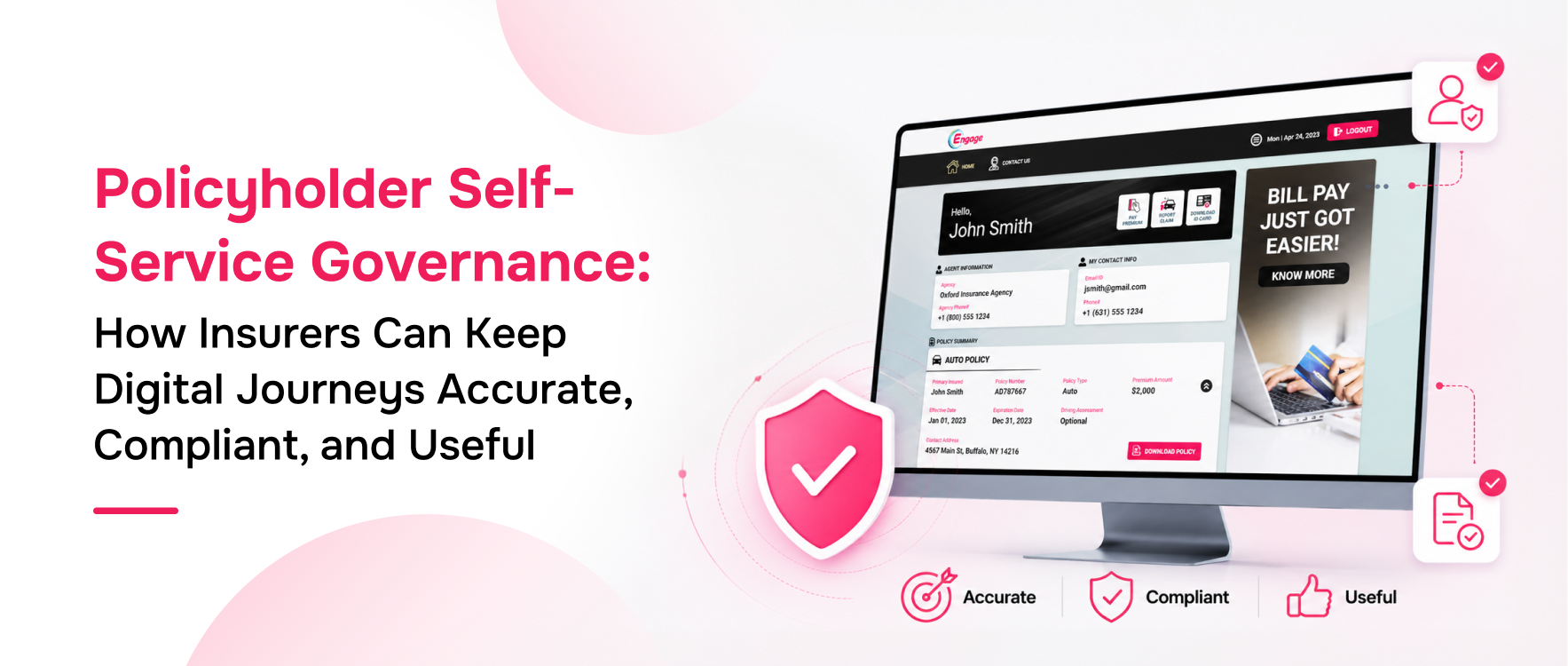
In this model, the core remains untouched as the system of record. Above it sits an orchestration layer that manages workflows, validations, and integration logic. At the edge sits the experience layer, where policyholders interact through portals, self-service flows, and conversational interfaces.
This separation matters because it changes how change happens. Experience teams can iterate without destabilizing the core. Core teams can maintain reliability without blocking innovation. Each layer evolves on its own timeline, through well-defined interfaces.
For insurers, this is the difference between modernization that feels risky and modernization that feels controlled.
What “Layered” Means in Practical Terms
In practice, a layered architecture clarifies responsibilities across the stack rather than adding complexity. Each layer exists to solve a specific problem and to isolate change where it is safe to make it.
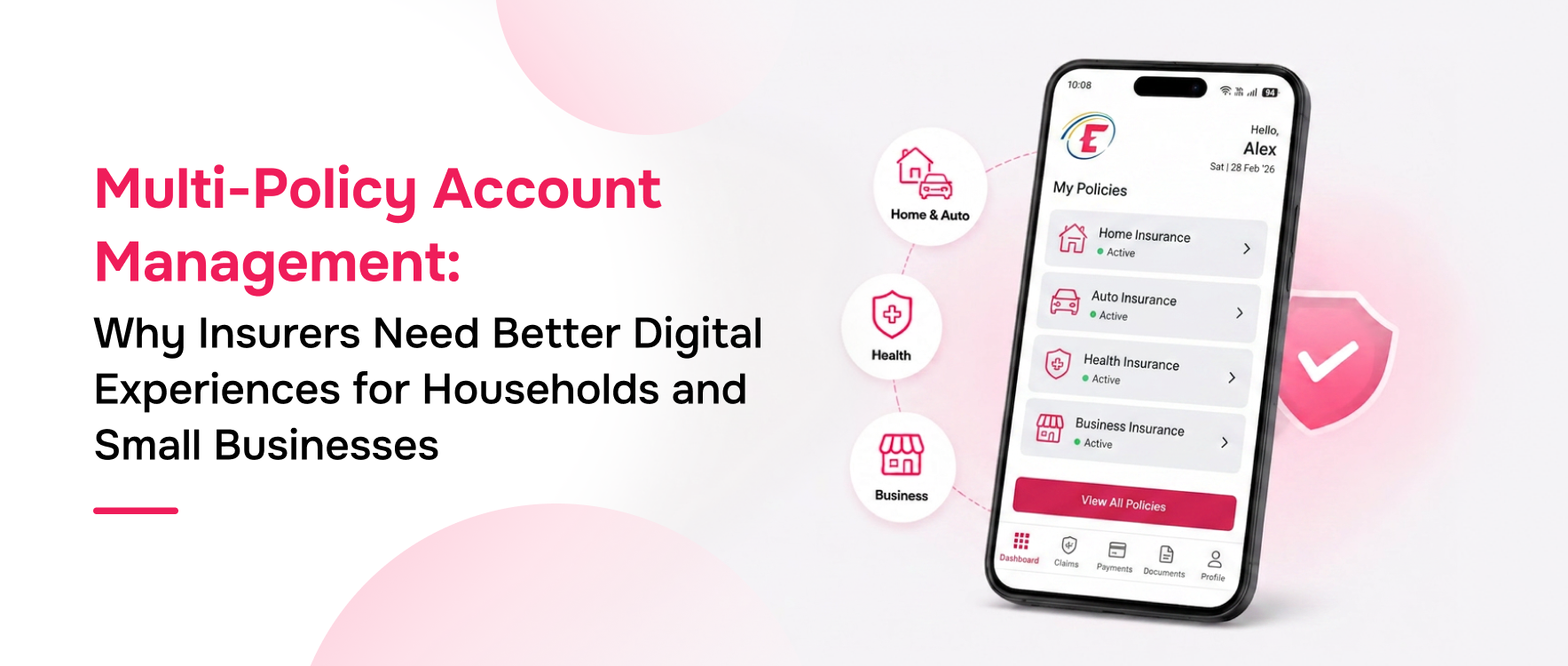
The experience layer handles interactions such as viewing policy details, submitting service requests, making payments, or initiating claims. It is designed for usability and frequent updates.
The orchestration layer manages how those requests are processed. It applies business rules, validates inputs, and coordinates data flow between systems.
The core systems execute transactions and store authoritative data, exactly as they do today.
Because these layers communicate through APIs and clearly defined data objects, experience changes no longer require deep core modifications. This is what allows modernization to move quickly without introducing instability.
Why 6–10 Weeks Is Achievable
Timelines become unpredictable when the scope is unclear and the dependencies are deep. A modular, ready-to-deploy approach reduces both.
When experience is implemented at the edge, much of the foundational work is reusable. Authentication integrates once. Environments are configured once. Core integrations are defined intentionally rather than repeatedly.
From there, additional workflows become incremental, not foundational. That is why insurers can deploy meaningful experience improvements in six to ten weeks instead of committing to multi-year programs.
The speed comes from architecture, not shortcuts.
Where Should CIOs, Architects Start
Before launching new portals or journeys, it is important to assess readiness. Not every organization is blocked by technology. Many are blocked by assumptions.
- Are APIs stable and documented?
- Is identity centralized and consistent?
- Are key data objects clearly defined?
- Do environments support safe iteration and rollback?
A Self-Service Readiness Checklist helps teams answer these questions upfront. It prevents downstream surprises and aligns stakeholders before development begins. This step alone often determines whether modernization succeeds or stalls.
Experience Modernization That Respects Enterprise Constraints
One reason layered approaches are gaining traction is that they respect how large organizations actually operate. They do not require core replacement, assume perfect data, or demand organizational overhaul.
Instead, they introduce a controlled surface area for change. When experience lives at the edge, failures are contained, updates are reversible, and experimentation becomes possible without threatening core stability. Over time, this builds confidence across teams and allows progress to compound naturally.
This is also why many insurers are looking for modular, ready-to-deploy platforms that fit into existing environments rather than redefining them. Solutions like those from Xemplar Insights are designed to support this approach by enabling experience at the edge without disrupting core systems.
Why This Matters Now
Customer expectations continue to rise, while tolerance for long, open-ended programs continues to fall. At the same time, IT budgets face increased scrutiny, and large-scale core transformations are harder to justify given their cost, risk, and time to value.
A layered approach offers a pragmatic alternative. It allows insurers to improve policyholder experience incrementally, reduce operational friction, and show measurable progress within a timeframe business leaders can realistically support.
This is not about chasing trends. It is about making architectural decisions that align delivery speed with enterprise constraints.
Review your current stack and see how a modular, ready-to-deploy edge layer can modernize policyholder experience in weeks, not years.
Book a 30-minute FNOL workflow demo
Frequently Asked Questions for CX and IT Leaders
- Does a layered architecture increase integration complexity?
No. It reduces complexity by standardizing how experience layers interact with the core through defined interfaces. - Can this work with legacy core platforms?
Yes. In many cases, legacy systems benefit the most from isolating experience at the edge. - How is success measured?
Reduced call volume, higher self-service completion, faster release cycles, and fewer core change requests. - Is this approach secure and compliant?
When implemented correctly, layered architectures integrate with existing identity, authorization, and audit frameworks.